
Wisdom Teeth
Helping you with your wisdom teeth Removal & Management
Watch Now to Learn More About Wisdom Teeth
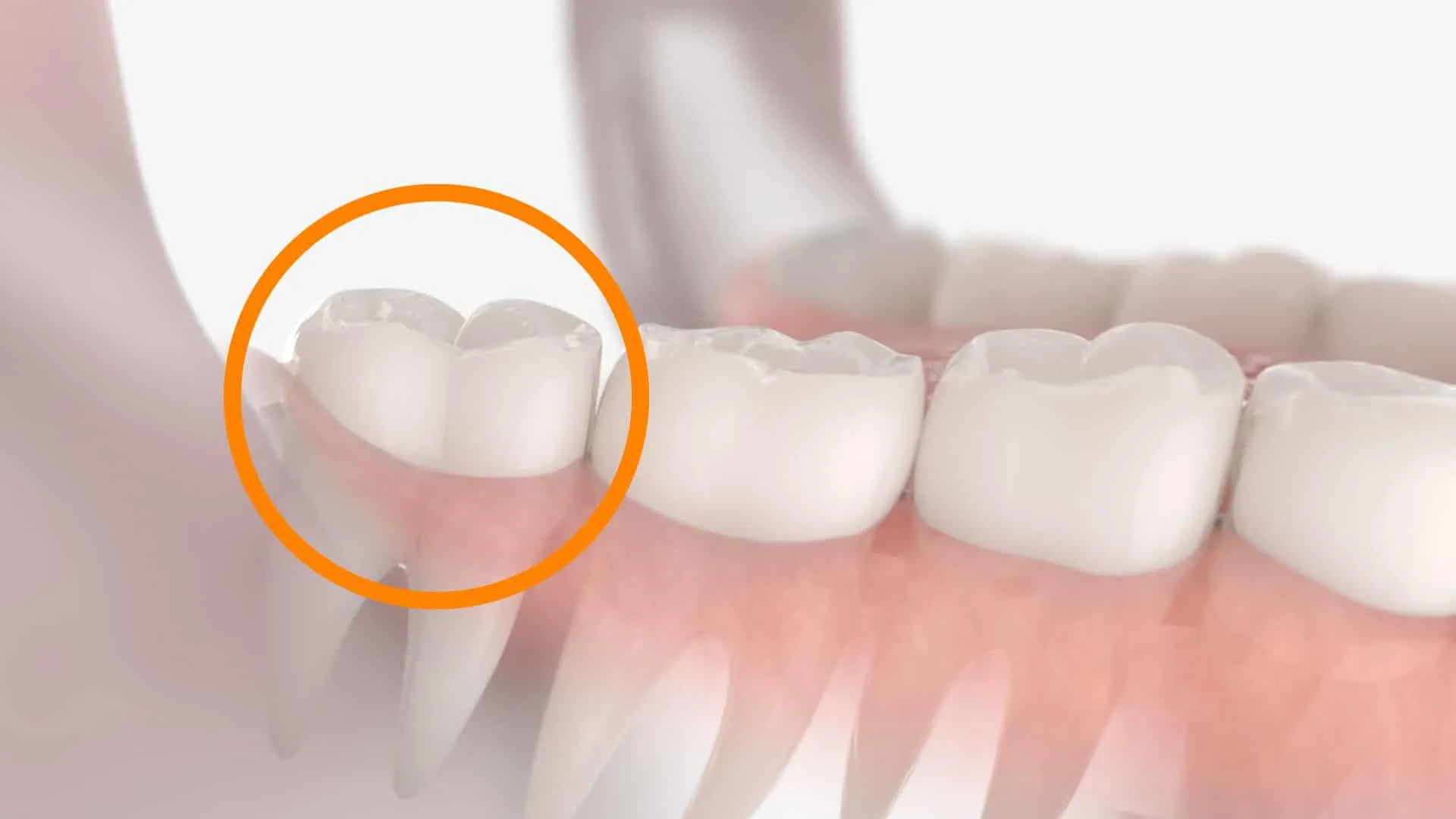
What are Wisdom Teeth?
Wisdom teeth, also known as third molars, typically emerge between the ages of 17 and 25. In the past, they served as an extra set of molars to be used when other molars were worn out due to the harsh diets of early humans. To learn more, check out our article all about wisdom teeth.
Why Should I Have My Wisdom Teeth Removed?
On the off chance that you need more space in your mouth for your third molars to completely eject, various issues can occur. Impacted wisdom teeth ought to be expelled before their root structure is completely established. In certain patients it can happen when you are 12 or 13, or it may not be until the mid-twenties. Issues can generally happen after the age of 30. Potential issues can include:
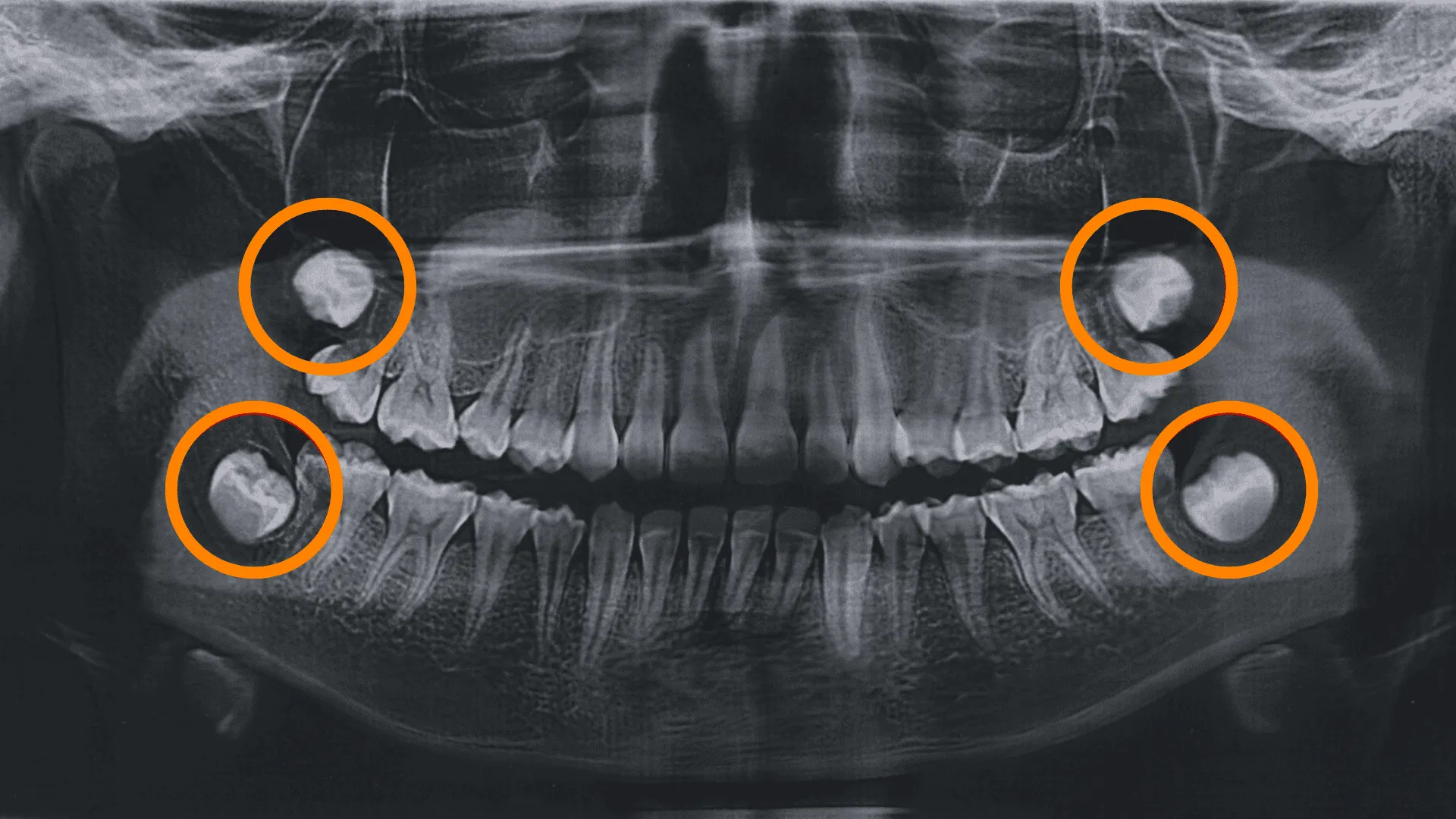
Tooth Infection
The most incessant clinical issue we see is pericoronitis, (an infection that is localized). Without sufficient space for the tooth to come in fully, the gum tissue around the wisdom tooth can become aggravated and infected, bringing about increasing tooth pain, swelling, and issues with biting and swallowing.
Cyst Formation
Cysts are fluid filled spaces inside the jawbone that can develop because of impacted teeth and gradually extend towards the neighboring jawbone and adjacent teeth. They can be hard to treat if your wisdom teeth are not expelled in your high school years. Albeit uncommon, tumors can be related to postponed wisdom tooth removal.
Crowding
Affected wisdom teeth may be a major contributing factor to crowding. Generally, this can be an issue with the front teeth, mostly the lower front teeth and is most usually observed after a patient has had braces. There are various components that cause teeth to crowd after braces or in early adulthood. The biggest reason for removal is mainly to prevent long-term harm to your jawbone, teeth, and gums.
Harm to Adjacent Teeth
On the off chance that there is lacking space to clean around the wisdom tooth, the tooth in-front, the second molar, can be unfavorably influenced bringing about gum disease, bone loss around the tooth, as well as tooth decay.
Types of Wisdom Teeth Impactions
Albeit the vast majority of people grow 32 permanent adult teeth, ordinarily their jaws are too little to even think about accommodating the four wisdom teeth. At the point when inadequate space keeps the teeth from erupting, they are called impacted, which makes it impossible move into the proper position for chewing and cleaning.
When Should Wisdom Teeth Be Removed?
Some people may not experience any issues with their wisdom teeth, others may face complications such as pain, infection, or misalignment. It is ideal to remove your wisdom teeth before those complications arise. Our experienced team at Tennessee Valley Oral Surgery specializes in wisdom teeth management, offering personalized treatment plans tailored to your unique needs.
What Can I Expect with Wisdom Teeth Management?
During your initial consultation, our skilled surgeons will assess your wisdom teeth and discuss the best course of action. For many patients, wisdom teeth removal is recommended to prevent future complications and maintain oral health.
At Tennessee Valley Oral Surgery, we prioritize patient comfort and safety. Our state-of-the-art facilities and advanced techniques ensure a smooth and efficient procedure.
The Day of Wisdom Tooth Removal Procedure
As a team of doctors, we have over 75 years of experience in the oral surgery field, and use the most advanced techniques, and technology. So you can be stress-free and trust your smile in our hands.
Your comfort and well-being is our number one priority through each and every step of all procedures we provide at Tennessee Valley Oral Surgery.
Before Arriving
On the morning of your medical procedure, it is fundamental that you don’t have anything to eat or drink for at least 8 hours (ideally more). This doesn’t mean you should attempt to fit in one “last supper” precisely eight hours before your medical procedure. Having anything in your stomach can expand the hazard for genuine sedative intricacies, including sickness and vomiting.
Your surgery will be rescheduled if you have anything on your stomach or do not have a parent or dependable person with you on the premises for your procedure. This person should plan to spend the remainder of the day with you.

Upon Arriving
Upon your arrival at our office on the day of your wisdom tooth procedure, you will take prescriptions to minimize pain and swelling. We will make you as comfortable as possible once you arrive at our office and in the surgical room. If you are going under general anesthesia, we will place an IV in your arm, which is quick and painless. The specific type of anesthesia to be used for your procedure will be discussed you with prior to your appointment.
The Wisdom Tooth Removal Procedure
The wisdom tooth removal procedure will usually take between 30 minutes to an hour. We use the most innovative techniques and equipment to ensure you heal quickly and as pain-free as possible.
After Your Wisdom Tooth Procedure (In Office)
After your procedure, we will provide you and your designated escort with an update on how the procedure went. You will be provided with detailed post-operative instructions and any questions you or your designated escort have will be answered thoroughly before you leave.
Our caring staff will then help you make your way out of our office to the Discharge area on the side of the building into the care of your designated person who came to the appointment with you.
Post-Operative Care (At Home)
When the sedation wears off, you may require more pain management medicine. It would be ideal if you attempt non-opiate medications (for example: ibuprofen) first, to see if that treats your pain satisfactorily. However, you will be provided with a prescription to treat your pain – as your comfort is our number one priority.
Your surgeon will call you after your procedure to check on you and we welcome your honest feedback on how you’re doing to prevent any potential complications.
We recommend a soft cold food diet after a surgical procedure. Learn more about foods we suggest after surgery.
In some cases, the local sedation may go on until the next day and shouldn’t not be mistaken for a physical issue to your nerve.
You should expect some swelling in your mouth and cheeks and minimal discomfort for a couple of days after your procedure. However, it will gradually improve, especially after the first few days.

Still Have Questions About Wisdom Teeth Removal?
In our completely free guide, “The Patient’s Guide to Wisdom Teeth,” we go over a ton of information regarding wisdom teeth including:
- Why you should consider removing your wisdom teeth
- When to get your wisdom teeth taken out
- What the process is like to have them removed
- Answers to many frequently asked questions
- and more!
Simply fill out the form below, and the guide will automatically be delivered to your inbox within minutes!
Wisdom Teeth FAQ
Does everyone have wisdom teeth?
Not everyone has wisdom teeth and not everyone with wisdom teeth has a full set. Recent studies have shown that as many as 25% of people with wisdom teeth are missing at least one of their third molars.
How much does wisdom tooth removal cost?
The number of teeth extracted and the level of complication of the procedure will affect the cost. This would include any infection, impaction, or other complications occurring with your wisdom teeth. We also accept a variety of insurance plans, which would reduce your out-of-pocket cost. In order to ensure a smooth process, reach out to your dental and medical insurance providers to determine if one or both will provide coverage for wisdom tooth extraction. For more convenient financing, we also accept CareCredit and United Medical Credit. To have a better idea of what your specific procedure would cost, schedule a consultation with one of our surgeons.
How long is the healing process for wisdom tooth extraction?
Full tooth extraction healing can take up to six weeks, but many patients are able to resume normal activities the day after surgery and can return to normal life within a week. It is imperative, however, that you follow all of your surgeon’s post-operative instructions. This could include resting the day of your surgery, avoiding the use of a straw for at least 24 hours, and brushing your teeth gently following the procedure. All of these post-operative instructions given to you are designed to aid in your healing and ensure you make a full recovery as quickly as possible.
Can wisdom teeth grow back?
Once removed, wisdom teeth will not grow back. However, it is possible to have supernumerary (extra) teeth. These can occur anywhere in the mouth, and, although very uncommon, our surgeons are expertly trained to look for signs of these extra teeth in preliminary X-rays.
What foods should I avoid after wisdom teeth removal surgery?
You’ll want to avoid things like acidic fruits (such as oranges and tomatoes), carbonated drinks, hard snacks (such as nuts, seeds, and popcorn), difficult-to-chew candies (such as taffy), spicy foods, hot drinks, etc. These can all potentially irritate gum tissue or otherwise complicate the healing process.
For more information about what to eat after the procedure, read our article on what to eat after oral surgery.
